
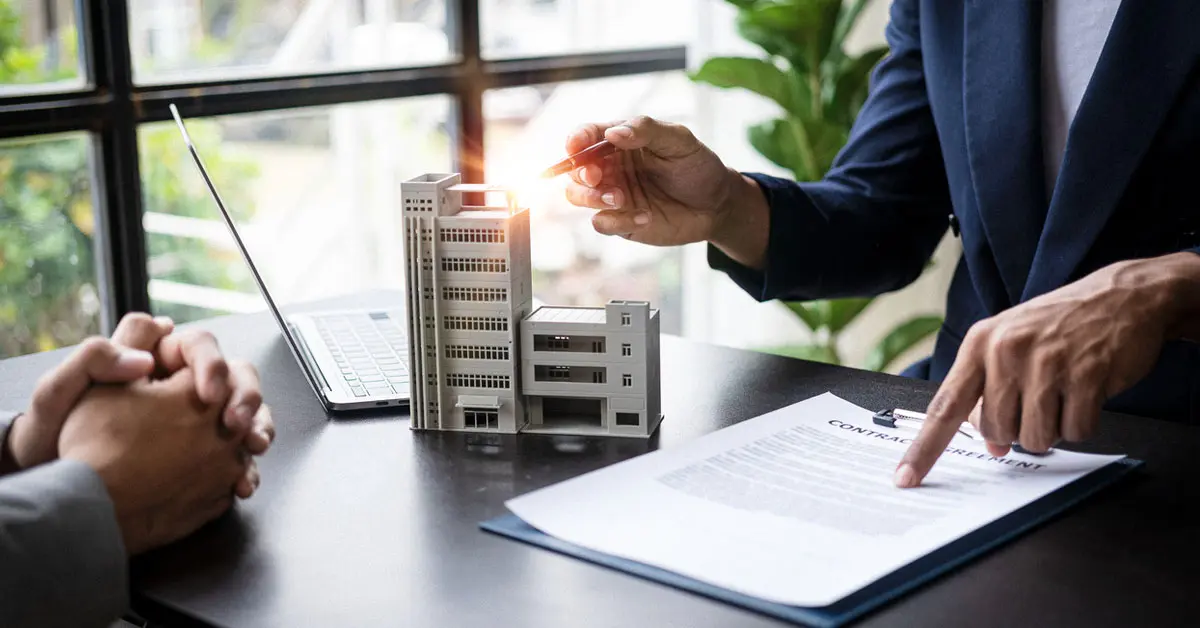
Introduction to Commercial Property
Commercial property plays a vital role in the global economy, offering businesses a physical space to operate while providing investors with opportunities for stable income and long-term growth. Unlike residential real estate, commercial property includes office buildings, retail spaces, warehouses, and industrial facilities. Major global hubs such as New York City, London, and Dubai are known for their thriving commercial real estate markets, attracting investors from around the world.
In countries like Pakistan, cities such as Karachi, Lahore, and Islamabad are rapidly expanding in terms of commercial development. As urbanization increases and businesses grow, the demand for commercial property continues to rise, making it an attractive investment option.
Types of Commercial Property
Understanding the different types of commercial property is essential for investors and business owners.
Office Spaces
Office buildings range from small single-tenant spaces to large corporate towers. Companies like Google and Microsoft invest heavily in premium office spaces in major cities to support their operations. Office spaces are often classified into Class A, B, and C categories based on quality, location, and amenities.
Retail Properties
Retail spaces include shopping malls, standalone stores, and high-street outlets. Famous retail centers such as Mall of America and Dubai Mall attract millions of visitors annually. In Pakistan, commercial hubs like Packages Mall are reshaping the retail landscape.
Industrial Properties
Industrial properties include warehouses, logistics centers, and manufacturing facilities. Companies like Amazon rely on large-scale distribution centers to manage their supply chains efficiently. With the rise of e-commerce, demand for industrial spaces is growing rapidly.
Mixed-Use Developments
Mixed-use developments combine residential, commercial, and recreational spaces in one location. Projects in Singapore and Tokyo exemplify this concept, offering convenience and maximizing land use.
Benefits of Investing in Commercial Property
Investing in commercial property offers several advantages that make it appealing to both individual and institutional investors.
Higher Rental Income
Commercial properties typically generate higher rental yields compared to residential properties. Businesses are willing to pay premium rents for prime locations, especially in cities like Hong Kong and Singapore.
Long-Term Leases
Commercial leases often span several years, providing investors with a stable and predictable income stream. This stability makes commercial property a preferred choice for long-term investment strategies.
Diversification
Adding commercial property to an investment portfolio helps diversify risk. Investors can balance their assets by including office spaces, retail units, and industrial facilities across different locations.
Capital Appreciation
Over time, commercial properties in prime areas tend to appreciate in value. Developments in cities like Dubai have shown significant growth due to infrastructure expansion and economic development.
Key Factors to Consider Before Investing
Before investing in commercial property, it is important to evaluate several critical factors.
Location
Location is one of the most important determinants of a property’s success. Prime areas with high foot traffic and accessibility, such as business districts in Karachi or Lahore, tend to yield better returns.
Market Trends
Understanding current market trends is crucial. Global reports from organizations like CBRE Group and JLL provide insights into demand, pricing, and investment opportunities.
Tenant Quality
Reliable tenants ensure consistent rental income. Businesses with strong financial backgrounds are more likely to honor lease agreements and maintain the property.
Legal Considerations
Legal due diligence is essential when purchasing commercial property. Regulatory bodies such as the Securities and Exchange Commission of Pakistan oversee aspects of real estate investment and compliance in Pakistan.
Commercial Property Market Trends
The commercial real estate market is constantly evolving, influenced by technological advancements and changing consumer behavior.
Rise of E-Commerce
The growth of online shopping has increased demand for warehouses and logistics centers. Companies like Alibaba Group are investing heavily in supply chain infrastructure.
Flexible Workspaces
The rise of remote work has led to increased demand for flexible office spaces and co-working environments. Providers such as WeWork offer adaptable solutions for businesses of all sizes.
Sustainable Development
Sustainability is becoming a key focus in commercial property development. Green buildings and energy-efficient designs are gaining popularity in cities like Copenhagen and Amsterdam.
Smart Buildings
Technological integration is transforming commercial properties into smart buildings with automated systems, enhancing efficiency and tenant experience.
Commercial Property in Pakistan
Pakistan’s commercial real estate sector is experiencing significant growth, driven by urban expansion and economic development.
Emerging Markets
Cities like Islamabad and Rawalpindi are witnessing increased commercial activity, with new business districts and shopping centers emerging.
Infrastructure Development
Projects such as the China-Pakistan Economic Corridor are boosting commercial property demand by improving connectivity and trade opportunities.
Investment Opportunities
Commercial hubs like Blue Area offer lucrative investment opportunities due to high demand and strategic location.
Risks Associated with Commercial Property
While commercial property offers many benefits, it also comes with certain risks.
Economic Fluctuations
Economic downturns can impact demand for commercial spaces, leading to vacancies and reduced rental income.
High Initial Investment
Commercial properties require significant capital investment, making them less accessible for small investors.
Maintenance Costs
Maintenance and operational costs can be higher compared to residential properties, especially for large commercial buildings.
Tips for Successful Commercial Property Investment
To succeed in commercial property investment, consider the following strategies.
Conduct Thorough Research
Analyze market conditions, property values, and growth potential before making a purchase.
Work with Professionals
Collaborate with real estate agents, legal advisors, and financial experts to make informed decisions.
Focus on Location and Demand
Invest in areas with strong economic activity and high demand for commercial spaces.
Plan for Long-Term Growth
Adopt a long-term investment approach to maximize returns and minimize risks.
Future Outlook of Commercial Property
The future of commercial property looks promising, with continued growth expected in both developed and emerging markets. Cities like Dubai and Singapore will continue to lead global trends, while developing regions such as Pakistan present new opportunities for investors.
Technological advancements, sustainability initiatives, and evolving business needs will shape the commercial property landscape in the coming years. Investors who stay informed and adapt to changing trends will be well-positioned to capitalize on these opportunities.
Conclusion
Commercial property remains a cornerstone of the real estate industry, offering significant opportunities for income generation and capital growth. Whether investing in office spaces, retail outlets, or industrial facilities, understanding market dynamics and making informed decisions is key to success. With growing urbanization and economic development, the commercial property sector will continue to thrive, making it an essential component of any diversified investment portfolio.