
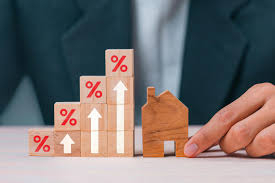
The concept of housing trends has evolved significantly over the years, influenced by economic shifts, technological advancements, and changing lifestyle preferences. In today’s dynamic real estate landscape, understanding housing trends is essential for buyers, sellers, investors, and industry professionals. From urbanization to sustainability, multiple factors shape how people choose, design, and invest in homes across the globe.
What Are Housing Trends?
Housing trends refer to the patterns and changes observed in residential real estate markets over time. These trends can include shifts in property prices, demand for certain housing types, construction styles, and buyer preferences. Organizations like the National Association of Realtors and the World Bank frequently analyze these trends to provide insights into global and regional housing markets.
Housing trends are influenced by a combination of economic conditions, population growth, government policies, and technological innovation. For instance, rapid urbanization in cities like Dubai and Singapore has led to a surge in high-rise residential developments.
Key Factors Influencing Housing Trends
Economic Conditions
The economy plays a central role in shaping housing trends. Interest rates set by institutions such as the Federal Reserve affect mortgage affordability, which directly impacts home buying activity. In countries like Pakistan, economic stability, inflation rates, and currency value significantly influence property prices and demand.
Population Growth and Urbanization
Population growth continues to drive demand for housing. As more people migrate to urban areas like Karachi and Lahore, the need for affordable and accessible housing increases. This has resulted in the expansion of suburban areas and the development of housing societies.
Government Policies and Regulations
Government initiatives and policies also play a vital role in shaping housing trends. Programs introduced by organizations like the Pakistan Housing Authority aim to provide affordable housing solutions to citizens. Tax incentives, subsidies, and zoning laws can either encourage or limit real estate development.
Technological Advancements
Technology has revolutionized the real estate industry. Platforms like Zillow and Redfin allow users to search for properties, compare prices, and analyze market trends. Additionally, virtual tours and AI-driven analytics have transformed the way buyers and sellers interact with the market.
Current Housing Trends in 2026
Rise of Smart Homes
One of the most notable housing trends is the growing popularity of smart homes. These properties are equipped with advanced technologies such as automated lighting, security systems, and energy management tools. Companies like Google and Amazon have introduced smart home devices that enhance convenience and security.
Smart homes are particularly attractive to younger buyers who prioritize technology integration in their living spaces. This trend is expected to continue growing as the Internet of Things becomes more widespread.
Demand for Sustainable Housing
Sustainability has become a key focus in modern housing trends. Eco-friendly homes that incorporate renewable energy sources, efficient insulation, and sustainable materials are gaining popularity. Initiatives supported by the United Nations emphasize the importance of sustainable development in housing.
Green buildings not only reduce environmental impact but also lower utility costs for homeowners, making them an attractive option for long-term investment.
Shift Toward Suburban Living
The demand for suburban homes has increased significantly in recent years. Many buyers are moving away from densely populated urban centers in search of larger living spaces and better quality of life. This trend is evident in regions surrounding major cities like Islamabad and New York City.
Suburban areas offer more affordable housing options and access to green spaces, making them ideal for families and remote workers.
Growth of Co-Living Spaces
Co-living is an emerging housing trend that caters to young professionals and students. These shared living arrangements provide affordable housing while fostering a sense of community. Companies like WeWork have expanded into co-living spaces, reflecting the growing demand for flexible living solutions.
Housing Trends in Pakistan
Expansion of Housing Societies
In Pakistan, housing societies have become increasingly popular. Developments like Bahria Town and DHA offer modern infrastructure, security, and amenities. These projects attract both local and overseas investors.
Affordable Housing Initiatives
The government has introduced several programs to address the housing shortage. Initiatives such as the Naya Pakistan Housing Program aim to provide affordable homes to low- and middle-income families.
Increasing Property Prices
Property prices in major cities continue to rise due to high demand and limited supply. This trend has made real estate a lucrative investment opportunity but also poses challenges for first-time buyers.
Global Housing Market Trends
Digital Transformation
The global housing market is undergoing a digital transformation. Real estate transactions are increasingly conducted online, with blockchain technology being explored for secure property transfers. Companies like Opendoor are leading the way in simplifying the buying and selling process.
Remote Work Influence
The rise of remote work has significantly impacted housing trends. Many professionals are no longer tied to specific locations, allowing them to choose homes based on lifestyle preferences rather than proximity to the workplace. This shift has increased demand for properties in scenic and less crowded areas.
Luxury Housing Demand
Luxury housing remains a strong segment of the market. High-net-worth individuals continue to invest in premium properties in cities like London and Dubai. These properties often feature state-of-the-art amenities and prime locations.
Future Predictions for Housing Trends
Integration of Artificial Intelligence
Artificial intelligence is expected to play a larger role in the real estate sector. AI-driven tools can analyze market data, predict trends, and provide personalized recommendations to buyers and investors.
Focus on Mixed-Use Developments
Mixed-use developments that combine residential, commercial, and recreational spaces are becoming increasingly popular. These projects offer convenience and create vibrant communities.
Emphasis on Affordable Housing
As housing affordability becomes a global concern, governments and developers are likely to focus more on creating cost-effective housing solutions. Partnerships between public and private sectors will be crucial in addressing this challenge.
Tips for Navigating Housing Trends
Understanding housing trends can help individuals make informed decisions. Buyers should research market conditions, compare property prices, and consider long-term investment potential. Sellers, on the other hand, should focus on timing the market and enhancing property value through upgrades and staging.
Investors can benefit from analyzing trends in emerging markets and identifying high-growth areas. Consulting with real estate professionals and leveraging digital tools can further enhance decision-making.
Conclusion
Housing trends continue to evolve in response to economic, social, and technological changes. Whether it is the rise of smart homes, the shift toward suburban living, or the growing emphasis on sustainability, these trends shape the future of the real estate market. By staying informed and adapting to these changes, individuals and businesses can make strategic decisions that align with their goals.
As the global housing landscape becomes increasingly complex, keeping an eye on trends and leveraging insights from organizations like the International Monetary Fund can provide valuable guidance. Whether you are a buyer, seller, or investor, understanding housing trends is key to navigating the ever-changing real estate market.